
WEBSITE • 7–8 MIN READ
Is Your Website Ready for AI Search? The New Website Strategy for 2026
Having a website is no longer enough. As search engines morph into dynamic AI response engines, discover the hyper-optimized strategy to ensure your brand remains visible, structured, and authoritative in 2026.

What Is an AI-Ready Website?
An AI-ready website isn’t just optimized for human visitors—it is structured specifically for AI search engines, large language models (LLMs), and automated search agents to instantly read, understand, and index your brand’s unique capabilities.
By presenting clean, highly semantic data and context, you ensure that conversational AI systems can accurately retrieve and confidently recommend your business when answering targeted industry queries.
CONVERSATIONAL SEARCH QUERY
“Which digital marketing agency has the strongest case studies in scaling enterprise e-commerce brands using AI workflows?”
If your website is structured for AI, search agents dynamically extract your case studies and deliver your agency as the definitive, citation-backed recommendation.

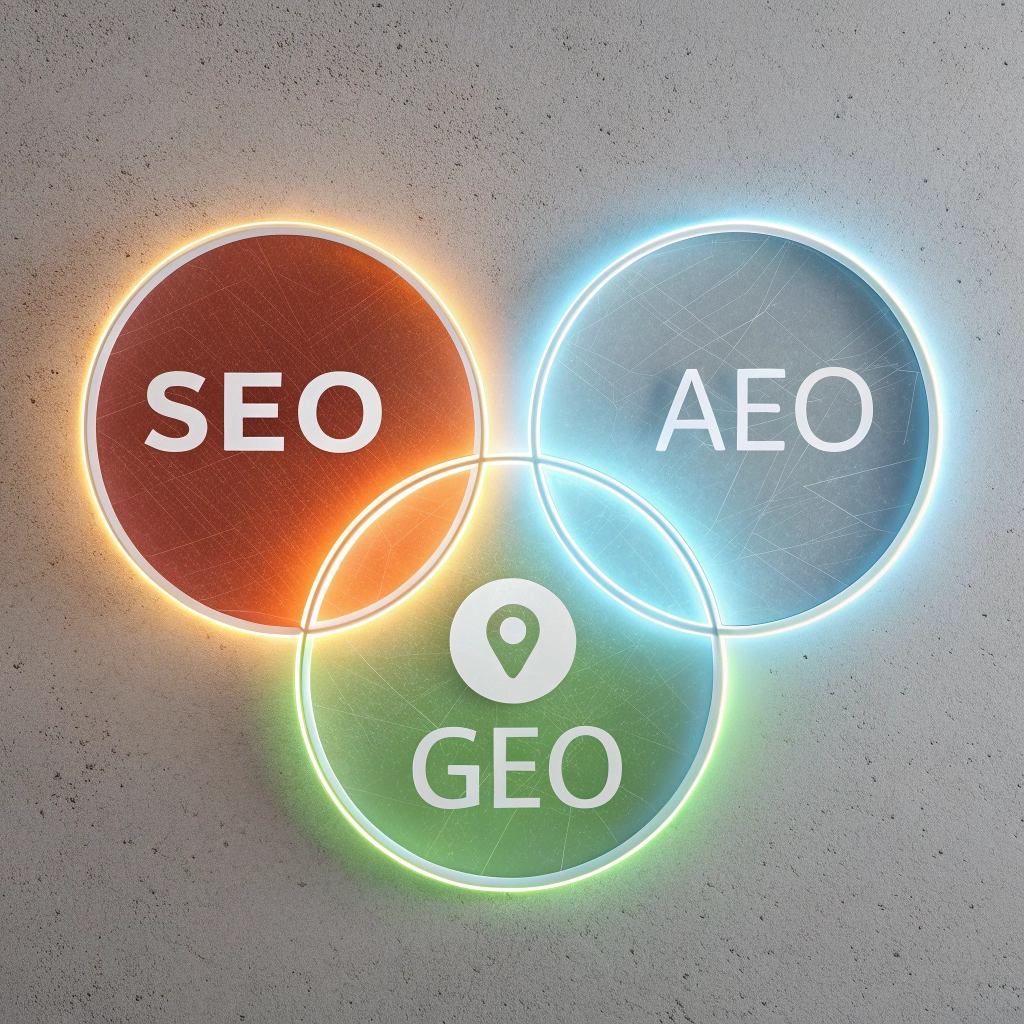
The Next Era of Search
SEO Is Evolving — Not Disappearing
Traditional keyword ranks are no longer the single source of truth. As artificial intelligence models restructure how users seek answers, optimization strategies must diversify into three distinct pillars:
- Traditional SEO: Optimizing web pages for traditional crawler-based search engines like Google and Bing to secure high rank placement in standard organic listings.
- AEO (Answer Engine Optimization): Structuring digital content cleanly so that conversational platforms and voice assistants can synthesize and read out accurate, direct answers.
- GEO (Generative Engine Optimization): Designing information nodes and authoritative references to ensure your brand is cited inside LLM responses like Perplexity, Gemini, and SearchGPT.
FUTURE-PROOF YOUR WEBSITE
7 Ways to Make Your Website AI-Ready in 2026
AI search engines, LLM crawlers, and smart agents are actively transforming web discovery. Optimize your site’s structure, trust markers, and semantic layers to lead in the age of artificial intelligence.
1. Write Clear, High-Context Content
Structure your writing with direct, definitive answers. LLMs prioritize clear semantic concepts, expert facts, and transparent syntax over keyword stuffing.
2. Implement Rich Schema Markup
Translate your content into highly structured JSON-LD. Giving machines a standardized way to parse your catalog, events, and reviews guarantees error-free AI summaries.
3. Optimise for Voice & Conversation
Adopt conversational sentence patterns. By modeling key industry FAQs, you feed user prompts directly to voice models and AI search agents.
4. Ensure Ultra-Fast Crawlability
Speed up server response times. Clean HTML hierarchies and optimized semantic structures ensure AI bots scan, read, and index your entire portal without delays.
5. Prioritise Transparent E-E-A-T
Build trust anchors. Showcase author credentials, transparent fact-checks, and verifiable citations. Proven reliability feeds the signals AI crawlers value most.
6. Deliver Structured API Feeds
Create machine-readable portals. Offering streamlined RSS, Markdown directories, or API feeds helps third-party AI developers integrate your resources smoothly.
CRITICAL STEP
7. Build a Connected Semantic Internal Link Web
Construct highly mapped thematic clusters across your site. Linking related entities in structured hierarchies allows neural crawlers to map context, determine parent topics, and index your brand as a primary source of industry knowledge.
SEARCH ENGINE OPTIMIZATION
Website AI-Readiness Checklist
AI search engines, LLMs, and smart crawlers are indexing your site daily. Ensure your digital architecture is optimized to be found, understood, and recommended by modern AI agents.
Core Optimization Checklist
- Clearly explain what your business does
- Create individual pages for important services
- Answer common customer questions thoroughly
- Implement structured schema markup across all pages
- Ensure your robots.txt allows AI crawlers like GPTBot
- Format complex data using clean HTML tables
LOOKING AHEAD
Final Thoughts
The biggest website trend of 2026 isn’t simply a new color palette. It’s a fundamental shift in how information is discovered, processed, and trusted. Build a website that is fast, useful, trustworthy, structured and ready for the future of search.
